



Living With & Beyond Cancer
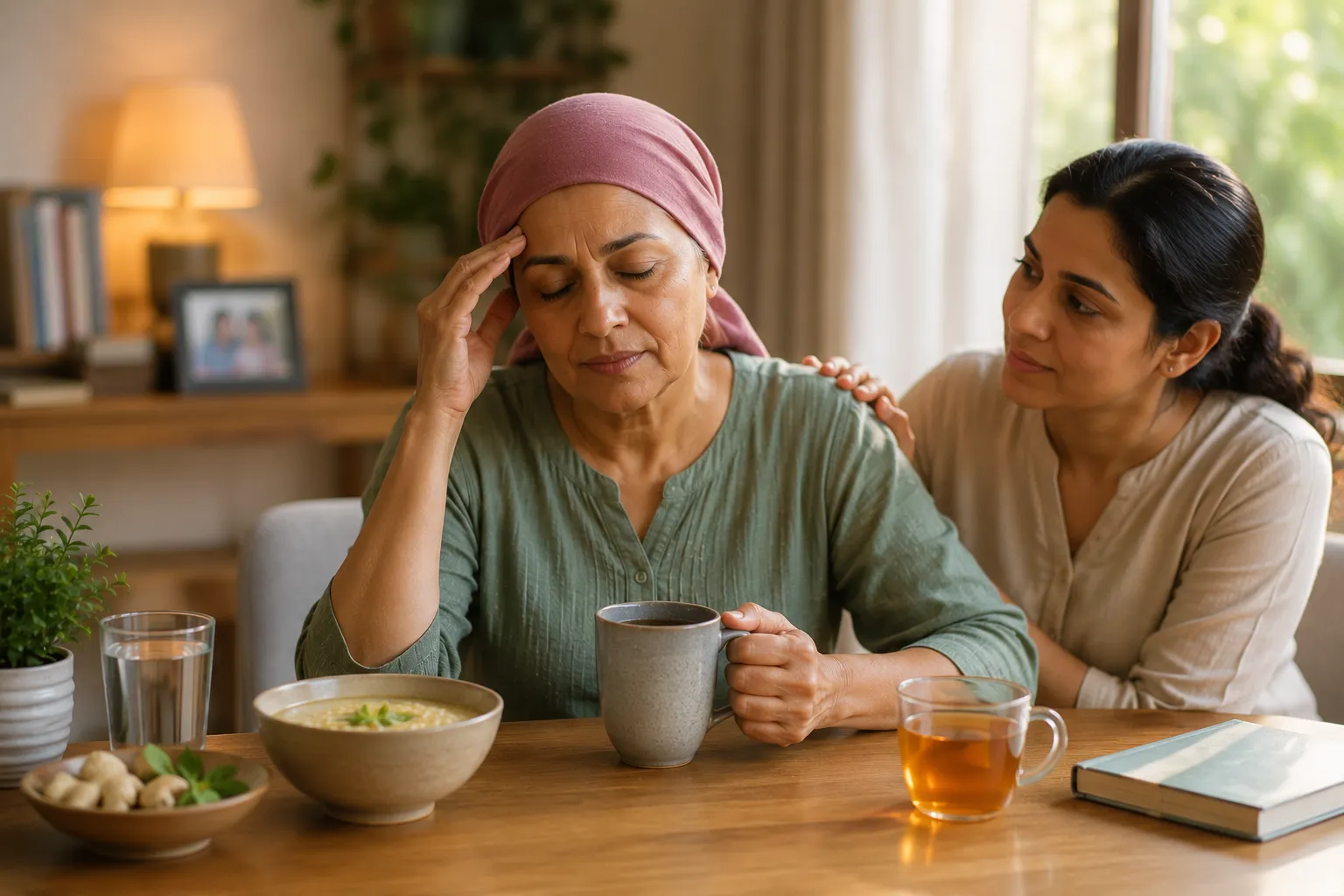
Living with cancer can affect physical health, emotional well-being, and daily life. During and after treatment, individuals may experience changes in energy levels, routines, and overall lifestyle. Ongoing support and follow-up care are important parts of cancer care beyond active treatment.
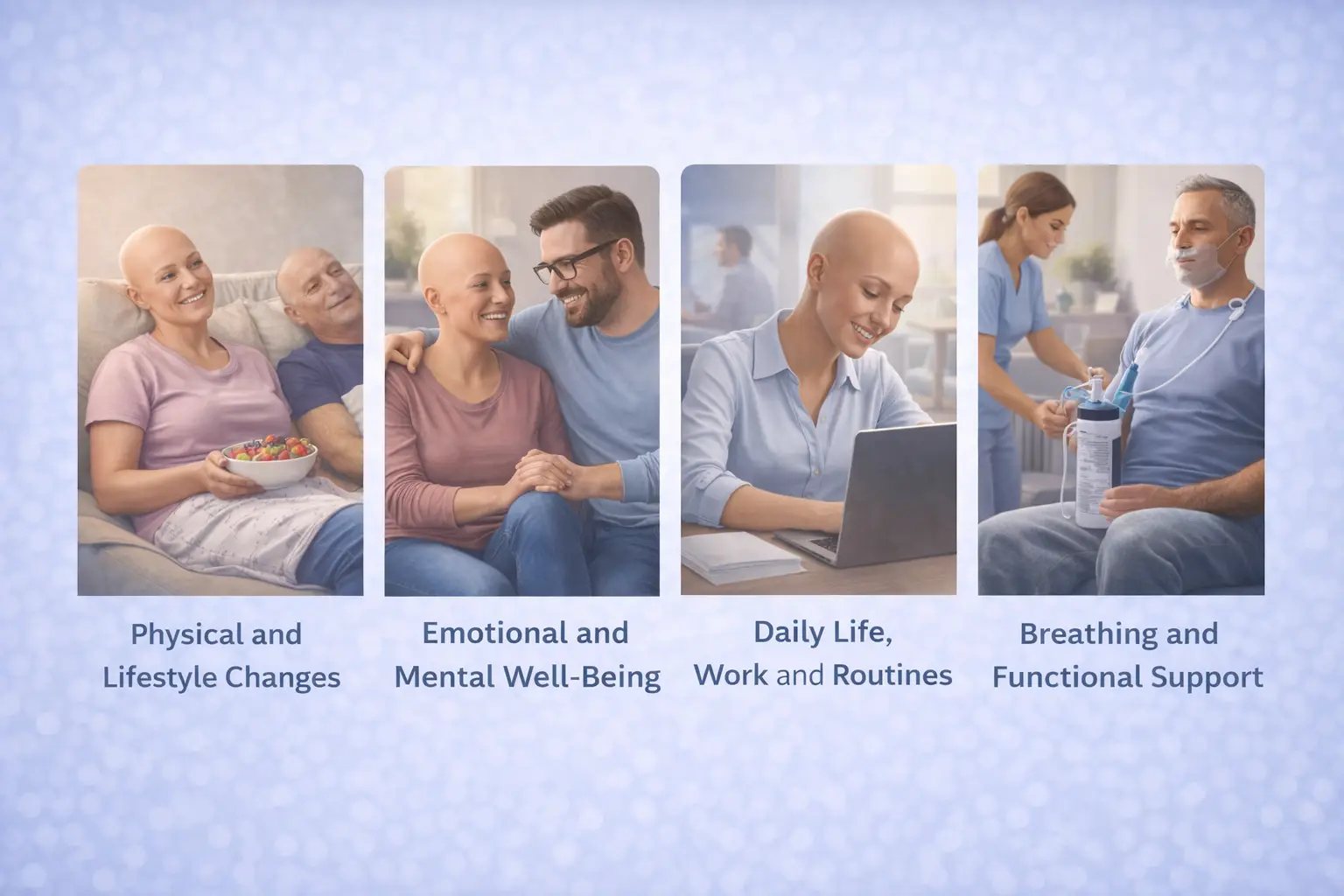
Physical and Lifestyle Changes
Cancer treatment may lead to physical changes such as fatigue, reduced strength, appetite changes, digestive challenges, or limitations in daily activities. These effects may be temporary or long-lasting, depending on the cancer type and treatment received.
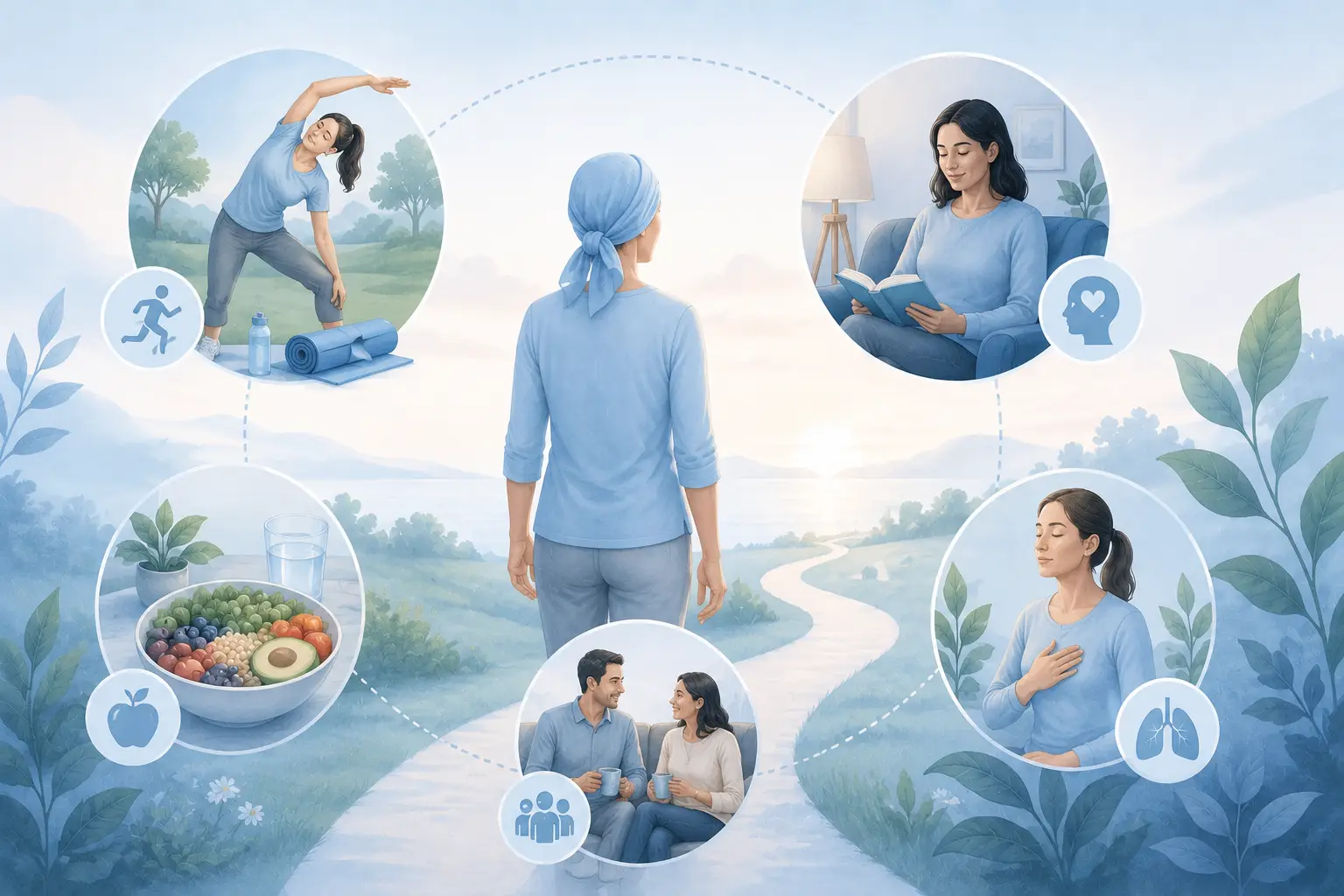
Gentle movement, gradual return to activity, and attention to nutrition are often encouraged to help individuals maintain strength and quality of life during and after treatment.
Emotional and Mental Well-Being
Emotional stress, anxiety, and adjustment challenges are common while living with cancer. Changes in body image, uncertainty about recovery, and the emotional impact of diagnosis and treatment can affect mental well-being.
Emotional and social support play an important role throughout treatment and recovery and may help individuals cope with stress and adapt to changes.
Daily Life, Work, and Routines
Cancer and its treatment can disrupt daily routines and responsibilities. Some people may need time away from work or adjustments to their usual activities. With appropriate medical care and support, many individuals gradually return to daily routines and active lives.
Breathing, Digestion, and Functional Support
Some cancers may affect breathing, digestion, or physical function. Individuals may benefit from breathing support, rehabilitation, nutritional care, or other supportive approaches to manage these changes and maintain daily functioning.